Uncertainty Is the Core Challenge
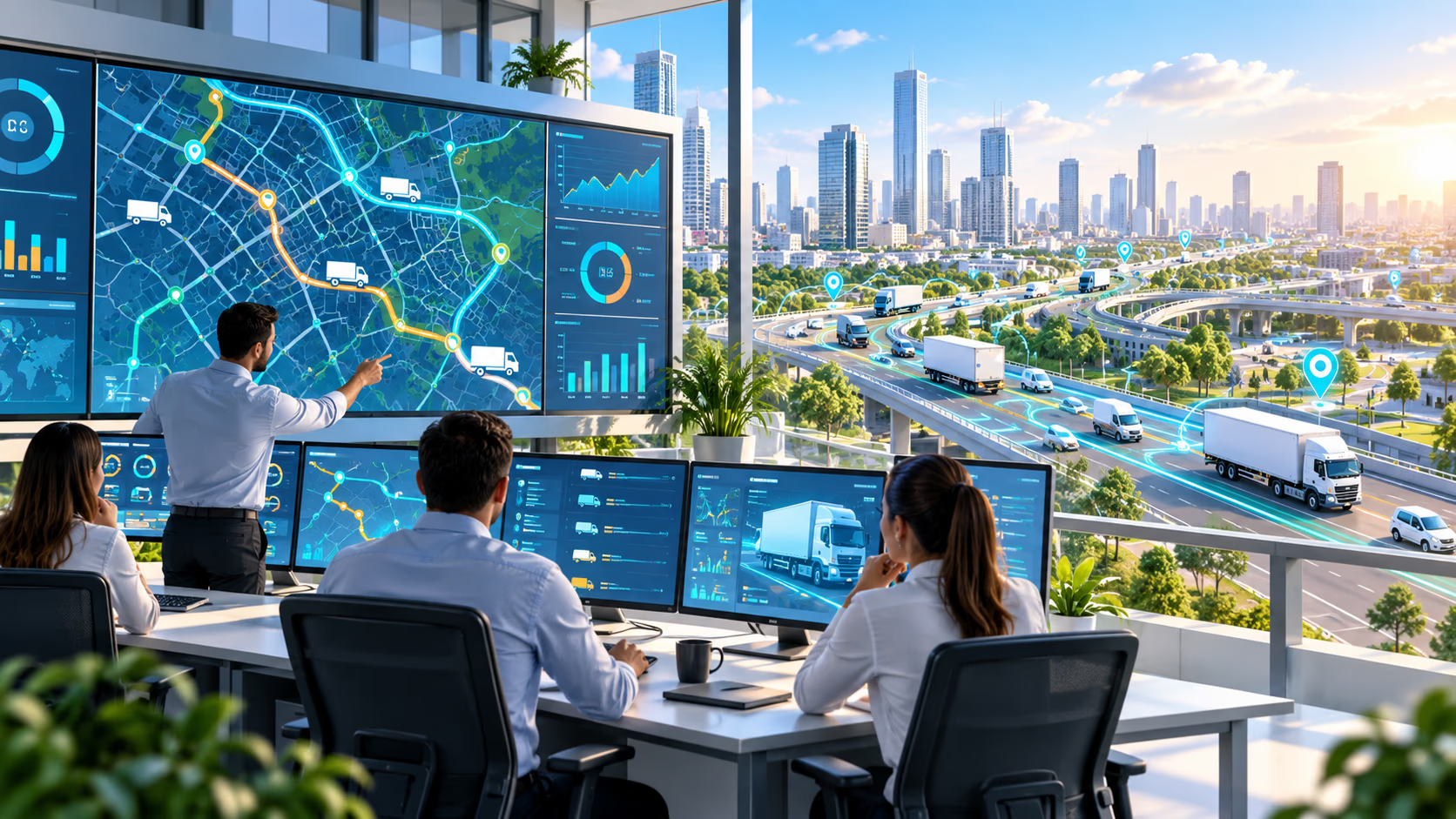
Traditional TMS systems focused mainly on route planning and vehicle allocation. The new generation operates as an intelligent data layer that connects ERP systems, inventory, drivers, IoT sensors, weather data, and real-time traffic information.
Artificial intelligence adds the most important layer: identifying patterns and exceptions in advance, and creating a live model of the entire supply chain, from the vehicle all the way to the end customer.
Not Just Where the Truck Is, But What Will Happen Next
Imagine a truck traveling from Haifa to the center of the country. An advanced TMS does not only detect congestion on Highway 2 or Highway 6. It also estimates in advance how that congestion will affect:
- Arrival times
- Loading sequence on the truck
- Dock availability at the customer site
- Driver availability
- The customer's unloading time window
During the planning stage, an advanced TMS can account for expected traffic congestion, delivery windows, and operational constraints, recommending routes and stop sequences that help reduce the risk of delays.
A real-world example: a distribution company that approached WEBLET for consulting discovered that most of its "unexpected delays" were completely predictable. They repeated on the same days and the same road sections. These were not random delays, as the company had assumed, but a clear pattern that no one had connected into a single picture. Once traffic data, orders, and driver information were unified, it became possible to identify the problematic days in advance and plan around them, instead of reacting after the delay had already occurred.
From Optimization to Risk Prediction
Globally, innovation in supply chains is shifting from pure optimization toward risk prediction. Advanced route management is no longer just about finding the fastest path. It is also about identifying the safest and most cost-effective one.
In Israel as well, companies that manage large-scale distribution and service operations are already following these developments. In a reality where dependence on maritime imports is high, and any disruption at ports, on roads, or within the supply chain is felt quickly, such algorithms can deliver a significant advantage in industries such as food, pharmaceuticals, retail, construction, and technology.
Managing distribution and a truck fleet?
Leave us a WhatsApp message and we'll get back to you with an initial fit check.
The Living Supply Chain: When the Cargo Itself Speaks
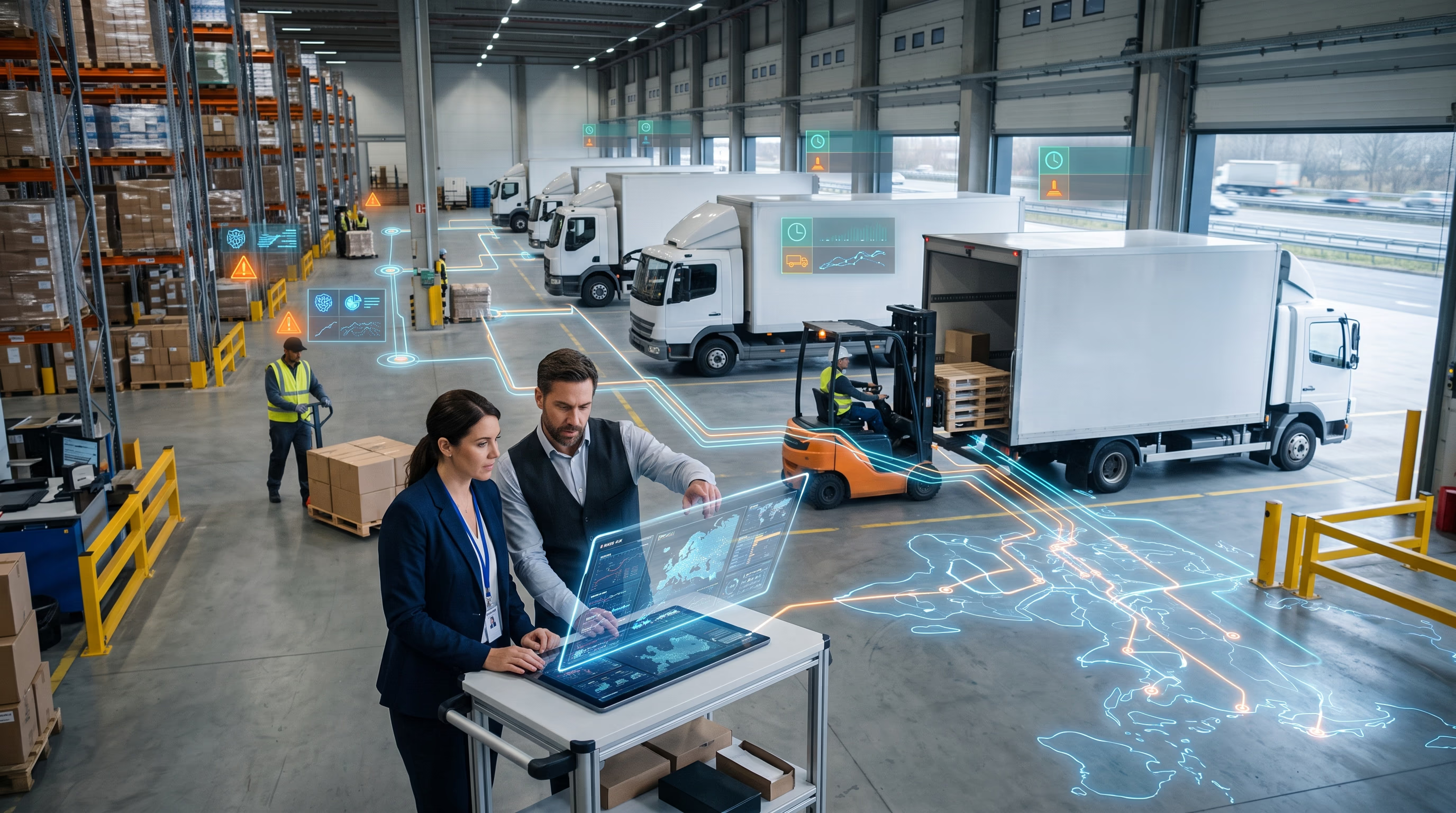
The next generation of TMS platforms reflects a broader logistical view. Sensors placed on cargo can measure temperature, humidity, shocks, and abnormal transport conditions. If an exception in transportation conditions is detected, appropriate monitoring systems can alert relevant personnel so they can make an operational decision.
One of the more interesting directions worldwide is the connection between operational risk management and new economic models, such as risk-based insurance. In the commercial vehicle insurance world, solutions already exist where driving data, risk levels, and route stability influence pricing. In other words, smart planning and cost savings are gradually becoming a single competitive advantage. The impact is not only technological. It is also managerial.
Bottom Line: TMS Becomes an Operational Intelligence Layer
The next generation of TMS systems is no longer a point operational tool. It is becoming an operational intelligence layer that connects what is happening in the field with the decisions that need to be made in real time.
The question every supply chain manager should ask is no longer "How do I respond to a delay?" but "Did my system know about this delay before it happened?"
The answer to that question is the difference between a legacy TMS and the next generation of these systems.
Further reading: הפתרון ל"פקק" בשרשרת האספקה: מערכות TMS שמנהלות סיכונים בזמן אמת (original article in Hebrew by Irit Lotan, published on People & Computers).